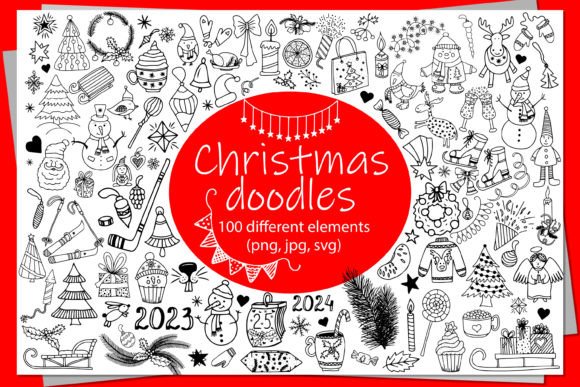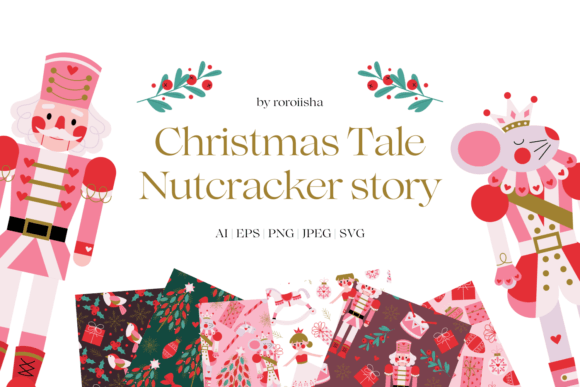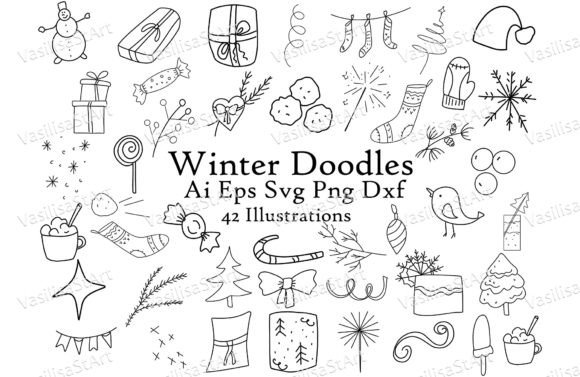
Christmas Tree Toy Graphics for Modern Illustrations
As a digital publisher who has spent years refining the visual language of content websites, I know that a single graphic design asset can make or break reader engagement. When I first encountered the Christmas Tree Toy, my immediate reaction wasn't just about its festive charm; it was about how this specific illustration fits into a professional publishing workflow. In an era where attention spans are short and competition is fierce, the quality of your blog graphics directly influences user trust and click-through rates.
This review explores how the Christmas Tree Toy serves as a versatile tool for editors, affiliate marketers, and creative entrepreneurs looking to elevate their seasonal content strategy. Whether you are designing a holiday gift guide or creating a newsletter header, the editorial value of this asset lies in its ability to convey warmth without sacrificing modern aesthetic standards.
First Impressions: Setting the Editorial Mood
The moment you load the Christmas Tree Toy into your design software, the mood shifts. It creates a distinct atmosphere that balances playful nostalgia with clean, contemporary lines. For a content creator, this is crucial because the visual tone must align with your brand identity. This illustration feels less like a generic clipart and more like a curated piece of editorial design. It suggests a lifestyle-focused niche that values creativity, family, and thoughtful gifting.
In terms of visual hierarchy, the design offers a clear focal point. This is essential when you are competing against other search results on social media platforms or inside a crowded email inbox. The illustration naturally draws the eye, making it perfect for headlines and call-to-action buttons. It supports a visual identity that is approachable yet polished, which is exactly what readers look for when they land on a site offering advice or products during the holiday season.
Real-World Publishing Applications
The true test of any design assets package is how well it translates across different mediums. The Christmas Tree Toy is not limited to a single use case; it is a robust component of a comprehensive content marketing plan. Here is how I envision using this asset in a live publishing environment:
- Featured Images and Thumbnails: Use the high-resolution version to create standout featured images for articles about holiday crafts, toy reviews, or family traditions. The clarity ensures it looks sharp even when scaled down for mobile feeds.
- Pinterest Pins: Pinterest is a visual search engine where aesthetics drive traffic. This illustration works beautifully as a background element or a central icon for pins designed to link to affiliate product pages or blog posts.
- Newsletter Headers: A consistent visual theme builds anticipation. Placing this graphic at the top of your holiday newsletter series can instantly signal to subscribers that special seasonal content is arriving.
- Digital Guides and Lead Magnets: If you are offering a free Christmas activity sheet or a gift planning checklist, this image serves as an ideal cover art for your downloadable PDFs.
- Social Media Graphics: From Instagram stories to Facebook ads, the clean lines allow for easy text overlay, ensuring your message remains legible over the artwork.
Boosting Performance and Reader Trust
Why does this matter? Because in web design, users judge credibility within milliseconds. A cohesive set of visual hierarchy elements tells your audience that you care about details. When a visitor sees the Christmas Tree Toy used consistently across your website header, article thumbnails, and social media previews, it reinforces your brand identity.
This consistency leads to better performance metrics. Stronger first impressions mean lower bounce rates. Clearer visuals mean higher click-through potential. By integrating this asset, you move away from the generic look of stock photos and toward a custom, creative design feel that sets your publication apart. It transforms a standard blog post into a visually engaging experience that encourages readers to stay longer and explore more of your content.
Where This Asset Shines Brightest
While versatility is key, certain applications highlight the strengths of the Christmas Tree Toy more than others. It excels in hero sections where a large, impactful image sets the stage for a story. It is equally effective as an editorial accent within long-form articles to break up text and maintain reader interest.
For affiliate marketing, placing this graphic next to product lists or "best of" roundups adds a layer of seasonal context that can subtly influence purchasing decisions. It also works exceptionally well as a category visual for sites organizing content by season or holiday themes. If you are building a media kit for sponsors, including this type of high-quality commercial design demonstrates professionalism and artistic flair.
Strategic Limitations and Usage Warnings
However, every designer knows that no asset is universally perfect. There are scenarios where the Christmas Tree Toy requires careful consideration. If your website relies heavily on text-heavy blog images with dense information overlays, this graphic might compete for attention rather than support it.
Careful placement is required when using it on small mobile thumbnails. While the resolution is high, complex details can sometimes get lost on very small screens. Additionally, if your niche is strictly corporate or serious professional content, the playful nature of a toy-themed illustration might clash with the desired minimal visual system. In such cases, it should be used sparingly, perhaps only in sidebars or footer areas, rather than as a primary branding element.
Essential Publisher Notes for Implementation
Before you commit this asset to your live site, there are practical steps every digital publisher should take. First, test the file on both desktop and mobile screens. How does it render in a dark mode layout? Does it hold up when viewed on a smaller smartphone display?
You must also check contrast and readability. Try placing white headline text over the darker parts of the illustration to ensure legibility. Experiment with font pairings; see how it looks beside a serif font for a classic look, or a sans-serif font for a modern touch. You might even try it with a script font to enhance the holiday vibe.
Technical optimization is non-negotiable. Review the file size for web performance. Even though the source is 4000 x 4000 pixels at 300 dpi, you do not need to serve the full resolution on every page. Compress images properly to maintain fast load times, which is critical for SEO and user experience. Finally, confirm your commercial license. Ensure you have the right to use this digital download on monetized websites, affiliate pages, and paid content products before launching your campaign.
What You Actually Receive
The value of this package extends beyond just the visual. Upon downloading, you receive a comprehensive folder structure that streamlines your workflow. Instead of hunting for files, you get everything you need in one convenient zip file. This includes formats like SVG and EPS for scalable vector editing, ensuring you can resize the image for anything from a favicon to a billboard without losing quality.
You also get high-resolution PNG files at 4000 x 4000 pixels with 300 dpi, fully transparent backgrounds ready for immediate use in Canva templates or Photoshop layouts. This variety allows you to adapt the Christmas Tree Toy for printables, digital guides, and web banners seamlessly. Having these multiple formats means you are prepared for any platform requirement, from high-end editorial prints to quick social media updates.
Ultimately, the Christmas Tree Toy is more than just a festive image; it is a strategic tool for modern publishers. By understanding its strengths and applying it thoughtfully within your editorial design framework, you can create content that not only looks beautiful but performs effectively in the competitive digital landscape.